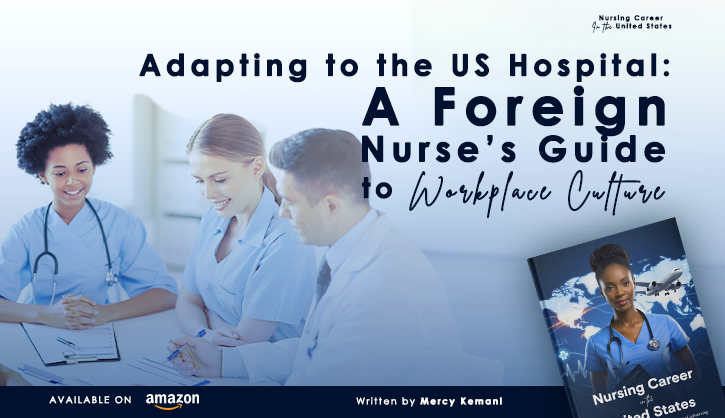
Adapting to the US Hospital: A Foreign Nurse’s Guide to Workplace Culture
Transitioning into nursing in the USA for foreigners can be both exciting and overwhelming. As an international nurse mentor, Mercy Kimani has guided countless professionals through relocation, licensing, and workplace integration. While nursing jobs in the USA promise stability, diversity, and strong career advancement, the cultural shift within American hospitals often becomes the biggest challenge.
This guide offers real-world insights, communication techniques, and proven strategies to help foreign nurses adjust confidently and thrive in their new environment.
Visit the Homepage for more relocation support and resources.
Understanding the US Nursing Work Culture
US hospitals run on values designed to promote efficiency, respect, and patient-centered care. Understanding these principles helps foreign nurses adapt smoothly to a new nursing career in the USA.
Core Cultural Principles
Teamwork: American healthcare relies heavily on collaboration. Nurses work closely with doctors, CNAs, LPNs, therapists, social workers, and administrative teams. Everyone’s role is vital to patient outcomes.
Patient Autonomy Patients have the right to participate in decisions about their care. Nurses must respect their preferences even when they differ from what is common in other countries.
Clear and Respectful Communication US work culture emphasizes politeness, clarity, and professionalism. Direct communication is encouraged, but it must remain respectful and calm.
Common Differences Foreign Nurses Notice
- Decision-making is less hierarchical; nurses often contribute directly to patient plans.
- Advocacy is essential; nurses are expected to speak up for patient safety.
- Cultural adaptability is just as important as clinical expertise.
Adapting to nursing in the USA for foreigners means balancing your medical knowledge with an understanding of behavioral expectations and work culture.
Key Differences in the US Hospital Environment
Electronic Charting & Documentation Standards
US healthcare emphasizes detailed charting through systems like Epic, Cerner, or Meditech. Documentation protects both patient rights and nurse accountability.
Multidisciplinary Healthcare Teams
Daily patient care involves professionals from multiple specialties. Collaboration ensures holistic treatment and smooth discharge planning.
Evidence-Based Practice
Research, clinical guidelines, and updated protocols guide decisions. Nurses must stay informed about the latest standards.
Building Professional Relationships with Colleagues
To succeed, foreign nurses must build trust with their healthcare team.
- Communicate clearly, respectfully, and professionally.
- Value insights from CNAs, LPNs, MDs, NPs, therapists, and pharmacists.
- Welcome feedback it helps refine both clinical and communication skills.
- Be approachable, collaborative, and open to learning.
Strong workplace relationships strengthen your reputation and confidence.
Communication & Cultural Etiquette in the US Hospital
Hospitals in America encourage open communication, mutual respect, and transparency. This differs from environments where nurses may hesitate to challenge or question senior staff.
Essential Etiquette Tips
- Maintain friendly, appropriate eye contact.
- Clarify orders politely when needed.
- Use assertive, not aggressive, language when advocating for safety concerns.
- Participate actively in discussions, huddles, and team meetings.
These skills are key to thriving in nursing jobs in the USA.
Common Communication Challenges
Foreign nurses often struggle with:
- Fast-paced handoffs
- Medical slang and abbreviations
- Accents from diverse colleagues and patients
Solutions include:
- Asking for repetition without hesitation
- Using phrases like “Can you clarify this for patient safety?”
- Repeating back critical information to confirm understanding
- Taking notes on commonly used terms
Respect and Diversity in the Workplace
US hospitals prioritize inclusivity and cultural sensitivity.
- Use gender-inclusive and respectful language.
- Recognize cultural differences in patient beliefs, pain expression, and family dynamics.
- Appreciate workplace diversity; your team may include professionals from many ethnic and religious backgrounds.
Respect builds trust, strengthens teamwork, and enhances patient care.
Managing Expectations & Workload (Time Management in US Shifts)
Shift-based work patterns can be intense for foreign nurses. A typical US shift includes:
- Managing patient ratios
- Extensive documentation
- Rapid prioritization
- Fast-paced decision-making
- Variable rotating shifts
These responsibilities also reflect how much a nurse makes in the USA, as compensation aligns with workload.
Understanding Roles and Hierarchy
Every hospital has a structured team with distinct responsibilities:
- RN (Registered Nurse): Direct patient care and clinical decisions
- LPN (Licensed Practical Nurse): Basic nursing tasks under an RN
- CNA (Certified Nursing Assistant): Essential patient support and physical care
- Charge Nurse: Manages unit operations during the shift
- NP (Nurse Practitioner): Advanced practice provider with diagnostic authority
Understanding these roles ensures smoother collaboration and clearer delegation.
Time Management & Prioritization (Using SBAR)
Effective time management improves patient outcomes and reduces stress.
Use the SBAR format:
- Situation
- Background
- Assessment
- Recommendation
This communication tool keeps conversations structured and efficient.
Additional Strategies:
- Create to-do lists at the start of your shift
- Group tasks by urgency
- Delegate appropriately to CNAs or LPNs
- Plan documentation breaks early
These skills help foreign nurses handle the pace of American hospitals.
Professional Growth & Career Opportunities
A major advantage of a nursing career in the USA is the vast room for specialization and advancement.
Continuing Education & Specialization
American hospitals encourage professional development through:
- Workshops
- In-service training
- Employer-sponsored courses
- Nursing conferences
Career advancement is available in leadership, research, education, and clinical specialties.
Networking and Mentorship
A strong support system accelerates professional success.
- Join mentorship programs
- Connect with senior nurses
- Attend hospital-sponsored networking events
- Participate in organizations like ANA, ENA, AACN
- Build online connections with nursing communities
Mentorship provides guidance, emotional support, and career clarity.
Upskilling and Certifications
Certifications increase job security and open new opportunities. Popular options include:
- BLS, ACLS, PALS
- CCRN (Critical Care)
- CEN (Emergency Nursing)
- CNOR (Operating Room)
- NPD-BC (Nursing Professional Development)
Specialty credentials enhance your competitiveness across nursing job opportunities in the USA.
Common Challenges for Foreign Nurses in the US
Adjusting to a new country, workplace culture, and communication style can be overwhelming.
Typical Struggles Include:
- Culture shock
- Communication misunderstandings
- Feelings of isolation
- Different patient expectations
- New systems and technologies
Mercy Kimani’s firsthand experience helps international nurses overcome these obstacles with confidence.
Dealing with Culture Shock & Isolation
- Keep a journal to process daily challenges
- Join cultural adjustment or support groups
- Build friendships inside and outside the workplace
- Seek peer mentorship
- Celebrate small wins to stay motivated
These habits help build emotional resilience.
Handling Workplace Conflicts & Miscommunication
Conflicts are normal in fast-paced healthcare settings. To manage them effectively:
- Use respectful dialogue
- Ask questions calmly
- Clarify instructions before acting
- Seek supervisor guidance when needed
- Approach HR for unresolved issues
Emotional intelligence is essential for long-term success.
Navigating Ethical & Legal Standards in US Nursing
US nursing requires strict adherence to national standards, including:
- Patient rights and autonomy
- HIPAA confidentiality regulations
- Accurate and honest documentation
- Zero tolerance for falsifying records
- Accountability for patient outcomes
These expectations define the ethical foundation of a nursing career in the USA.
Mercy Kimani’s Key Advice for New Foreign Nurses
Mercy encourages nurses to embrace learning with patience and humility. Success comes from:
- Staying open to feedback
- Building strong support networks
- Being proactive about communication
- Maintaining professionalism
- Trusting the growth process
Read more about her journey and mentorship approach on the About Mercy Page.
Conclusion & Call to Action
Adjusting to the US work culture takes time, practice, and emotional resilience, but with guidance, every foreign nurse can thrive. Whether you are beginning your relocation journey or improving your workplace integration, mentorship plays a powerful role.
If you want personalized support, career guidance, or relocation assistance, visit the Contact Page to connect with a mentor today.
Frequently Asked Questions
Q1: Is nursing in the USA good for foreigners?
Yes. It provides excellent career growth, strong salaries, and long-term job stability.
Q2: How much does a nurse make in the USA?
Average salaries range from $80,000 to $100,000 per year, depending on experience and location.
Q3: What are the requirements to work as a nurse in the USA?
A nursing degree, NCLEX exam, English proficiency, state licensure, and work authorization.
Q4: How can foreign nurses adapt to the US work culture?
Learn communication norms, ask questions confidently, manage time efficiently, and seek mentorship.
Q5: Are there nursing job opportunities in the USA for foreign nurses?
Absolutely there is ongoing demand, and many hospitals offer sponsorship pathways.