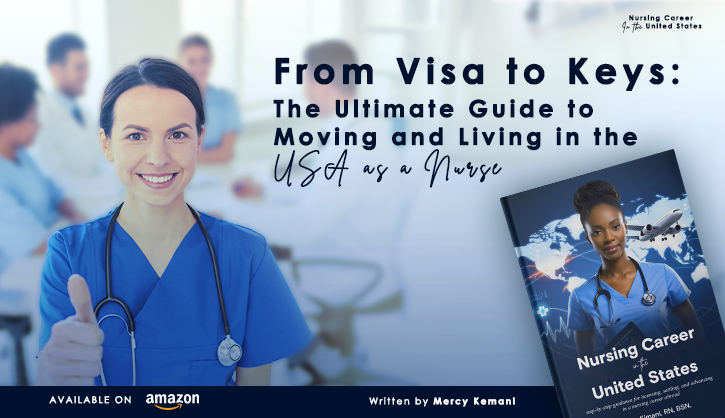
From Visa to Keys: The Ultimate Guide to Moving and Living in the USA as a Nurse
Relocating to the United States as an international nurse is one of the most transformative steps in your career, but it can also feel overwhelming. That is why Mercy Kimani, an experienced international nurse and global mentor, has dedicated her work at Nurse Link Global to helping nurses transition smoothly into the American healthcare system. From navigating paperwork and understanding visa pathways to securing housing and adjusting to daily life, every phase of the journey comes with its own challenges.
This comprehensive guide walks you through each step, offering clarity and confidence. You’ll get a practical, step-by-step roadmap covering the nurse visa USA, finding sponsorship, estimating your budget, completing your Social Security Number Application, understanding the US Healthcare System Explained, and settling comfortably into your new home. If you’re preparing to relocate, this is the guide that simplifies every major decision.
Step 1: Understanding Your Nurse Visa USA
Starting your US journey begins with understanding the nurse visa USA process. Internationally trained nurses typically enter the United States through specific visa categories designed for healthcare professionals. The most common include:
- H-1B Visa: For highly specialized nursing roles requiring advanced education.
- EB-3 Immigrant Visa: A widely used pathway for foreign nurses seeking permanent residency.
- TN Visa: Available to Canadian and Mexican nurses under the USMCA agreement.
To qualify for these programs, nurses must meet essential eligibility criteria such as having a recognized nursing degree, passing the NCLEX-RN exam, and demonstrating English proficiency. These requirements ensure your education is equivalent to US standards and that you’re clinically ready for patient care.
Early planning makes all the difference. Completing credential evaluations, licensing paperwork, immunization records, and exam registrations ahead of time prevents delays. Whether you pursue the visa independently or through nurse visa sponsorship USA, accuracy and preparation are crucial, setting the foundation for a successful relocation.
Nurse Visa Sponsorship USA: What It Means and How It Works
Most international nurses secure their nurse visa sponsorship USA through hospitals, government-approved staffing agencies, or nationwide healthcare organizations. These sponsors help manage the visa process, handle immigration filings, and provide relocation support.
Under sponsorship, you may receive benefits such as:
- Paid NCLEX preparation
- Flight assistance
- Temporary accommodation
- Licensing support
- Guaranteed employment contracts
However, contracts vary significantly. Before signing, review work commitments, salary structures, placement locations, and any early termination clauses. To ensure legitimacy, verify your sponsoring agency through official US government portals and immigration resources.
Step 2: Preparing Financially Before Moving to the USA
Financial readiness is one of the most important steps in moving to the USA as an international nurse. Before departure, you’ll encounter several essential costs, including:
- Visa processing fees
- Credential evaluation charges
- NCLEX and English testing fees
- Flight tickets
- Temporary accommodation
- First-month expenses after arrival
A clear financial plan helps reduce stress and sets realistic expectations. Create a budget that covers at least the first three months of living expenses, especially because you may experience a short waiting period before receiving your first paycheck.
Understanding the cost of living in the US helps you prepare wisely and prevents unnecessary financial pressure during your transition.
Estimating the Cost of Living in the US Before You Arrive
The cost of Living in the US varies widely depending on region and lifestyle. Major categories include:
- Rent: The largest monthly expense
- Groceries: Typically $250–$500 per month
- Healthcare: Often employer-covered, but it depends on insurance plans
- Transportation: Public transit vs. car ownership
- Utilities: Electricity, heating, water, internet
Salary expectations also differ across the country. Nurses in metropolitan areas may earn more, but the cost of living in the USA is also significantly higher. Understanding these differences early allows you to plan better.
Comparing the Cost of Living by State USA
To give you perspective, here’s how the cost of living by state USA varies in key nurse destinations:
- Texas: Lower living costs, affordable housing, moderate salaries
- California: Highest salaries, but extremely high rent and taxes
- New York: High cost of living, competitive wages, robust public transport
State taxes, grocery pricing, fuel rates, and housing availability drive these differences. Evaluating the cost of living in the USA by region will help you choose a location aligned with your career goals and financial needs.
Step 3: Securing US Housing and Settling Comfortably
Finding the right bold US Housing option is essential in your early weeks in America. Nurses moving under sponsorship often receive temporary accommodation, but long-term arrangements require research and planning.
Common housing options include:
- Short-term furnished rentals
- Shared apartments
- Hospital-provided housing
- Long-term independent rentals
As you explore your new city, staying cautious about leases, utility agreements, and neighborhood safety is vital. This stage is one of the biggest parts of moving to the USA smoothly and comfortably.
Finding Temporary vs. Permanent Housing Options
Temporary housing gives you time to explore the area, while long-term rentals offer stability. Each comes with pros and cons:
Temporary Housing:
- Flexible
- Immediate availability
- Higher short-term cost
Permanent Housing:
- Lower cost
- Requires paperwork
- Long-term commitment
Use trusted platforms like Zillow, Apartments.com, and hospital housing boards to ensure safe and reliable selections.
Essential Documents for Renting in the US
Landlords typically ask for:
- Passport
- Visa documents
- Employment contract
- Proof of income
- Bank statements
- Social Security Number Application (or SSN itself)
If you don’t have your SSN yet, some landlords accept employer letters instead.
Step 4: Completing Your Social Security Number Application
One of your first administrative tasks after landing in the US is the Social Security Number Application. This number is essential for:
- Employment verification
- Payroll processing
- Tax reporting
- Opening bank accounts
- Renting an apartment
- Building credit history
You can apply at the nearest Social Security office by bringing your passport, I-94, visa, and employment authorization documents. Approval typically takes 2–4 weeks.
How the SSN Supports Your Professional and Financial Growth
Once issued, your SSN opens the door to many services:
- Getting paid by your employer
- Applying for credit cards
- Signing rental leases
- Accessing utilities and phone plans
Always protect your SSN from identity theft. Never share it through email or unsecured platforms.
Step 5: Getting Familiar with the US Healthcare System Explained
Understanding the US Healthcare System Explained is crucial for nurses entering American hospitals. The US healthcare system may differ from your home country in terms of:
- Insurance structure
- Documentation requirements
- Electronic health records
- Care coordination
- Patient communication standards
The US emphasizes teamwork, patient autonomy, and evidence-based practice, so familiarizing yourself with workplace expectations will help you transition successfully.
Common Challenges for International Nurses in the US Healthcare System
Some common hurdles include:
- New technologies and charting systems
- Fast-paced work environments
- Multidisciplinary communication
- Cultural differences in patient expectations
Continuous learning, mentorship, and asking questions help international nurses adapt confidently.
Step 6: Adjusting to Everyday Life and Living in the USA as a Nurse
Beyond work, living in the USA as a Nurse involves adjusting to daily routines, new cultural norms, and lifestyle changes. From transportation to grocery shopping, everything may feel different at first.
Tips include:
- Exploring community groups
- Understanding typical grocery and meal costs
- Learning local transportation routes
- Maintaining a healthy work-life balance
- Prioritizing safety in unfamiliar areas
Smart budgeting ensures you manage the cost of living in the US effectively while still enjoying your new life.
Building a Comfortable Life Beyond Work
Your emotional well-being matters. Consider:
- Joining faith groups, clubs, or cultural organizations
- Participating in social events
- Exploring local parks, museums, and attractions
- Maintaining consistent communication with loved ones
Settling in is a journey; small steps lead to big comfort.
Step 7: Key Lessons from Mercy Kimani’s Journey
As an international nurse herself, Mercy Kimani understands the challenges of moving to the USA. Her journey reflects determination, resilience, and a passion for helping nurses succeed abroad.
Through mentorship programs and relocation support, she guides nurses from securing the nurse visa USA to integrating into local communities. Explore her story on the About Mercy Kimani page to connect and learn from her experiences.
Your Ultimate 30-Day US Relocation Checklist
This checklist breaks your relocation into manageable weekly tasks, covering everything from the Social Security Number Application to understanding the US Healthcare System Explained.
Day 1 to 7 – Official Paperwork and Finance
- Complete your SSN application
- Open a US bank account
- Meet your sponsoring agency representative
- Register your address
- Review insurance options
Day 8 to 15 – Housing and Transportation
- Finalize temporary or permanent housing
- Sign your lease
- Apply for a state driver’s license
- Learn public transportation systems
- Set up utility accounts
Day 16 to 30 – Healthcare and Adaptation
- Attend hospital orientation
- Understand the US Healthcare System Explained
- Explore your city
- Join community or professional groups
- Begin cultural adjustment practices
Conclusion and Call to Action
Relocating to the United States as an international nurse is a bold and life-changing step. Still, with the right preparation, mentorship, and support, your journey becomes smoother and more rewarding. From understanding your nurse visa options in the USA to confidently moving to the USA, each stage shapes your path to success.
Start your journey with expert guidance at Nurse Link Global and access resources designed specifically for internationally trained nurses.
Frequently Asked Questions
Q1. What are the requirements for a nurse visa USA?
A valid nursing degree, English proficiency test, and a passing NCLEX-RN score.
Q2. What is nurse visa sponsorship USA, and how can I find it?
It refers to hospitals or agencies that employ and sponsor international nurses under authorized US visa programs.
Q3. How do I apply for a Social Security Number after arrival?
Visit the nearest Social Security office with your passport, visa, and employment documents.
Q4. How much is the average Cost of living in the US for nurses?
It varies by state; New York is expensive, while Texas and Florida are more affordable.
Q5. What housing options are available for nurses in the US?
Temporary hospital housing, shared apartments, or long-term rentals, depending on your budget.